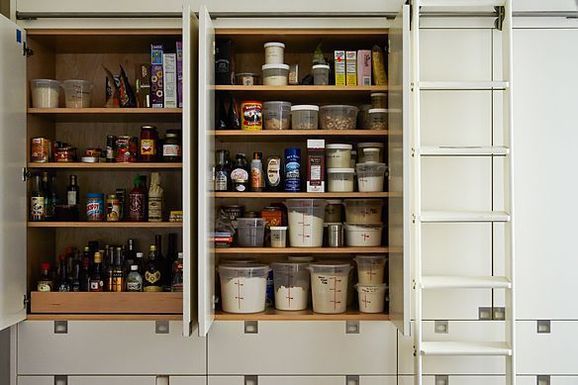
Greensboro homeowners, first-time homebuyers, and local business owners managing workspaces face a familiar tension: clutter management needs to be practical, but the result can’t feel cold, generic, or staged. Closets fill up, entryways become drop zones, and open shelving turns into visual noise, especially when budgets, timelines, and renovation disruptions leave little room for trial and error. The real goal isn’t perfection; it’s a stylish home organization that supports daily routines while protecting the warmth and personality that make a place feel lived-in. Done well, functional living spaces become a form of personalized home design.
At KC’s Improvement & Construction, we see this firsthand during kitchen, bathroom, and whole-home remodeling projects across the Triad—homeowners aren’t just looking for more space, they’re looking for better-functioning space that still feels like home.
Understanding Style-First Organization
Good organization is not just storing more. It uses simple behavior cues, like keeping essentials visible and making returns effortless, paired with design choices that match your taste. When the system feels like you, it becomes easier to follow and your rooms feel lived-in, not locked down.
This matters because organization only works when it supports real routines, from school mornings to client visits. Investing in integrated solutions is also practical, especially when homeowners spend heavily on upgrades and want results that last. A space that reflects you can reduce daily friction while reinforcing pride and comfort.
This is why many homeowners choose to incorporate organization into a larger remodeling plan—thoughtfully designed storage built into the space from the start often outperforms after-the-fact solutions.
Picture a busy entry: a slim bench with baskets for shoes, hooks at the right height, and one framed item you love. The setup guides habits, while telling the story of who you are keeps it personal instead of sterile.
12 Affordable Ideas That Look Good and Live Better
Style-first organization works best when it’s also habit-first, systems that match your routines are the ones you’ll keep. Use these affordable, beginner-friendly moves to make your home feel calmer, more “you,” and easier to maintain. Many of these same principles are also used in professional design-build projects, where layout and storage are planned together rather than treated separately.
- Pick one “hero surface” per room and protect it: Choose a single area that stays mostly clear, an entry console, kitchen counter corner, or bathroom vanity. Give it a tray or shallow bin and a simple rule: only daily-use items live here (keys, wallet, hand soap, skincare). The payoff is a visual calmness without perfection, and it creates a natural reset point you can tidy in 60 seconds.
- Use “contained categories” instead of more shelves: Before buying storage, group by real-life use: morning routine, school paperwork, dog gear, tool basics. Assign each category a container that can be carried, handled basket, small tote, or lidded box, so cleanup means “return the bin,” not “re-sort 30 items.” Labels can be minimal and stylish: one word on a tag, or a chalk marker on the underside.
- Add multi-purpose furniture where clutter gathers: Look for pieces that do double duty: an ottoman with hidden storage, a bed frame with drawers, a coffee table with a shelf, or a bench that holds shoes. These options are popular for a reason, USD 15.9 billion signals how many people are leaning on multi-function to make everyday spaces work harder. Start with one piece in the room that “collects” the most stuff.
- Go vertical in small zones (without making it look like a garage): In closets, laundry rooms, pantries, and office nooks, use wall space: a rail with hooks, a slim shelf above the door, or a pegboard painted to match the wall. Keep it aesthetic by limiting it to one finish (all black, all wood, or all white) and one rule: leave 20% of the hooks/shelf space empty so it never looks crowded.
- Create a 10-minute “close the room” routine with a timer: Pick a consistent time, right after dinner or before bed, and do the same three steps: return items to their containers, wipe the hero surface, and set out tomorrow’s essentials (lunch bag, gym shoes, work folder). A small daily reset prevents weekend marathon cleanups and supports that “spacious” feeling, homes with less clutter can feel more spacious.
- Design one drop zone per person, not one for the whole household: Give each person a defined landing spot: one hook, one small bin, and one shelf section. This prevents the common “everybody’s stuff everywhere” problem and reduces decision fatigue. If you’re running a small business from home, duplicate this idea for client-facing items: a single basket for invoices, one for supplies, one for mail, so work doesn’t spill into living space.
- Upgrade to “easy-clean” storage during small remodel moments: When you’re already doing a bathroom refresh, kitchen update, or mudroom tweak, choose storage that won’t punish you later: drawers over deep lower cabinets, pull-out trash/recycling, toe-kick drawers, and wipeable bins. These are space-saving techniques that make real-life usability the priority, less bending, less digging, fewer forgotten items. The best organization is the one you don’t have to fight.

Common Organization Questions, Answered
Q: What are some affordable ways to organize my home without sacrificing style?
A: Start by editing before buying: donate duplicates, then corral what remains in matching baskets, trays, and lidded boxes from the same color family. Use peel-and-stick hooks inside cabinets, drawer dividers made from small boxes, and one statement “catchall” bowl for everyday items. The goal is fewer visual interruptions, not more storage products.
Q: How can I choose organization solutions that truly reflect my personality and unique taste?
A: Pick a “signature finish” you already love, like warm wood, matte black, or soft brass, and repeat it in handles, bins, and labels. Then build one small vignette that feels like you, such as a styled shelf with a plant and two meaningful objects. Even small personal touches matter, and personalization has improved customer retention because people stay connected to what feels familiar.
Q: What strategies help prevent feeling overwhelmed by clutter and disorganization during a remodel?
A: Choose one temporary landing zone for daily essentials and keep it consistent all week. A command center is a singular place for papers, keys, and to-dos so decisions do not multiply while rooms are in flux. Pack by “use zones” instead of by room, and label boxes with when you will need them.
Q: How can practical and stylish home organization improve the welcoming atmosphere of my space?
A: Clear sightlines and easy drop spots help guests relax because the room feels intentional, not tense. A simple entry setup like a hook, a basket, and a small surface makes arrivals smooth and prevents the pile-up that reads as chaos. Soft lighting and one curated surface often do more than a perfectly filled shelf.
Q: How can I incorporate personalized photo calendars and keepsakes into my home organization to preserve memories and add a unique touch to my décor?
A: Treat memories like a category with a home: one archival box for keepsakes and one display spot that rotates seasonally. A personalized photo calendar can double as a gentle daily cue for routines, birthdays, and household tasks while keeping your walls uncluttered, and template-based services make it easy to explore options for a custom calendar that fits your style. If you use a template-based online tool, set a recurring monthly reminder to update photos so it stays current without becoming another project.

Your Fast Track Organization Project Checklist
This checklist turns stylish organization into a doable plan for Greensboro-area homes and businesses preparing for design-build remodeling. Use it to choose high-impact zones, prevent scope creep, and invest only in storage upgrades that truly improve daily flow.
✔ Evaluate one problem zone and note three daily friction points
✔ Edit the category by removing duplicates and anything unloved
✔ Define a signature finish and stick to one hardware tone
✔ Measure shelves, drawers, and clearances before buying containers
✔ Assign a labeled home for every high-use item
✔ Install hidden helpers like dividers, hooks, and pull-out trays
✔ Schedule a 15-minute weekly reset on your calendar
Small decisions done today create a space that supports your next remodel step.
Turn One Organized Zone Into Lasting Greensboro Calm
Clutter has a way of creeping back in, especially when busy Greensboro schedules make “later” feel easier than “now.” The steadier path is the mindset this guide supports: choose simple, sustainable organization practices that protect what already works and make space for motivating successful projects. That’s how stylish functional living starts to feel normal, and how everyday order supports empowering home transformation while setting up confident remodeling decisions down the road.
At KC’s Improvement & Construction, we believe the most successful remodeling projects start with understanding how a space needs to function day-to-day—not just how it should look. When organization, layout, and design are aligned from the beginning, the result is a home that feels both beautiful and effortless to live in.
Small, repeatable choices create a home that stays calm. Choose one zone today and commit to keeping it clear for two weeks using the checklist as your guide. That consistency matters because it builds stability, reduces daily friction, and strengthens the confidence needed for whatever comes next.
Blog compiled by Gloria Martinez